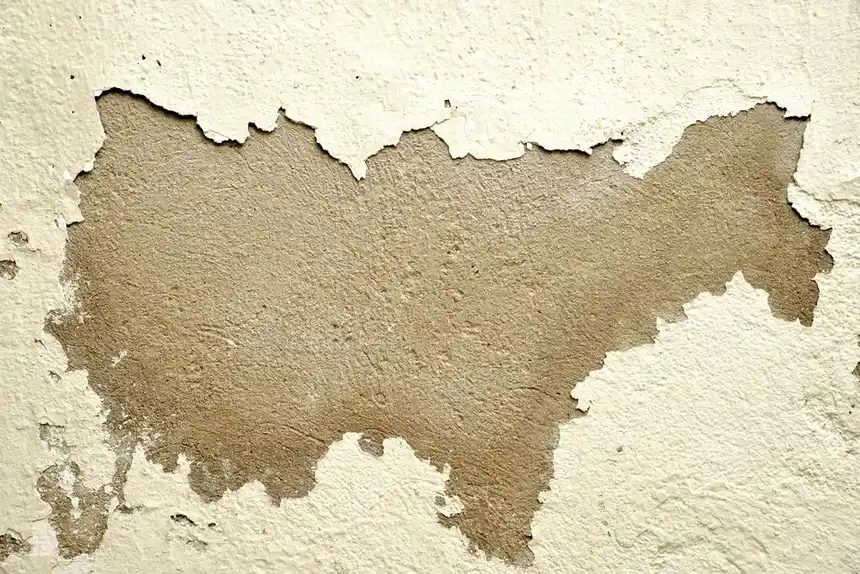
Leak source inspection
We use a moisture meter, hygrometer, and thermal imaging camera to find where water is entering and how far it spread. This is included on every job because repairing a ceiling without fixing the source is wasted money.
Every ceiling water damage job starts with inspection and ends with a finished ceiling. Here's what's covered in a standard scope, and what we handle as an add-on if the damage runs deeper than the ceiling itself.
We use a moisture meter, hygrometer, and thermal imaging camera to find where water is entering and how far it spread. This is included on every job because repairing a ceiling without fixing the source is wasted money.
Standing water comes out with a water extraction unit. Then we set air movers and dehumidifiers to dry the ceiling cavity to standard. Drying equipment stays on site two to four days, monitored daily.
Sagging, crumbled, or moldy drywall comes down. We cut clean edges, bag the debris, and prep the framing so the new ceiling sits flat and matches the existing plane.
We spray the exposed framing and cavity with antimicrobial spray to stop mold growth before it starts. This is standard on every ceiling water job, not an upsell.
New drywall goes up, gets taped and textured to match, then painted. We match the existing ceiling finish so the repair blends in rather than standing out as a patch.
Photos, moisture readings, and a written scope go to you and your adjuster. Clean documentation is the difference between a fast claim and a back-and-forth one.
Ceiling water damage repair in Skyforest, California is the process of finding the water source, stopping it, extracting moisture, drying the structure, and rebuilding the ceiling assembly so it looks and performs like new. We use a moisture meter and thermal imaging camera to map exactly how far water traveled through drywall, insulation, and framing. Then we dry it, treat it, and repair it. Skipping the drying step is how mold growth starts behind a fresh coat of paint.
Mountain homes here take on water in ways flatland houses don't. Snowmelt, roof leak, and burst pipe calls spike from November through March, and we see plenty of ceiling damage from ice dams and wind-driven rain. If you're searching for ceiling water damage repair near me in Skyforest, the fix is the same whether the water came from a failed water heater, a toilet overflow upstairs, or a roof leak you didn't notice until the stain spread.
Five steps, start to finish. You'll know what's happening and what it costs before we swing a hammer.
Schedule
Call or book online — a real human picks up and confirms a 2-hour arrival window.
Diagnose
Licensed tech inspects on-site, then walks you through the cause and your options.
Fix
The job is completed to code and done right the first time — no shortcuts, no surprises.
Guarantee
Every job backed by a written workmanship warranty — and we stand behind it.
Thermal imaging camera
Maps temperature differences behind drywall to find hidden moisture without tearing the ceiling apart. We use it on every inspection to see exactly how far water traveled.
Moisture meter and hygrometer
Measures moisture content in drywall, insulation, and framing. We log readings daily during drying and don't rebuild until the structure hits dry standard.
Dri-Eaz air movers and Phoenix Restoration dehumidifiers
Move air across wet surfaces and pull moisture out of the ceiling cavity. These run two to four days on a typical ceiling job.
Water extraction unit and Shop-Vac wet/dry vacuum
Pulls standing water out of ceilings and walls before drying starts. Extraction first cuts drying time significantly.
DeWalt and Milwaukee inspection tools
Cordless drills, inspection cameras, and cutting tools for opening ceilings cleanly and prepping the repair. We keep them on every truck.
Antimicrobial spray and sealant
Treats exposed framing and drywall edges to block mold growth. Standard on every ceiling water job before the ceiling is closed back up.
IICRC WRT drying standard
We follow the IICRC Water Restoration Technician standard for drying ceilings and walls. That means documented moisture readings, calibrated equipment, and a defined dry goal before any repair happens.
Thermal mapping before demolition
Before we cut drywall, we map the moisture with a thermal imaging camera. This keeps the repair tight to the actual damage instead of removing ceiling that's still dry.
Containment and antimicrobial treatment
We set plastic sheeting to contain dust and debris, then treat exposed framing with antimicrobial spray. This protects the rest of the house and blocks mold growth in the repaired cavity.
Matched texture and paint finish
After the drywall goes up, we match the existing texture and paint so the repair blends into the ceiling. No visible patch, no mismatched sheen.
01
What we do: We shut off the water, extract what's pooled above the ceiling, and dry the cavity with air movers and a dehumidifier. Then we cut out the failed drywall, treat the framing, and rebuild the ceiling with matched texture and paint.
→ The ceiling is dry, repaired, and painted in three to five days, and the room is back in use without a visible patch.
02
What we do: We clean and extract the water, dry both the bathroom floor and the ceiling below, then repair the stained drywall. If the overflow was contaminated, we treat it with antimicrobial spray before closing anything up.
→ No lingering odor, no mold, and a ceiling that matches the rest of the room.
03
What we do: We inspect with a thermal imaging camera to map the moisture path, dry the vaulted cavity, and replace the damaged drywall and insulation. We document the damage for the homeowner's insurance claim.
→ The leak is fixed, the ceiling is dry, and the insurance claim is backed by photos and moisture readings.
04
What we do: We extract the water, dry the ceiling and attic framing, and replace the saturated drywall and insulation. We also check for mold growth since attic moisture often goes unnoticed.
→ The ceiling is rebuilt and the attic is dry, with no mold left behind.
Ceiling water damage repair in Skyforest runs on mountain time, and that changes the job. Snow loads, freeze-thaw cycles, and wind-driven rain push water into places flatland homes never see. Most of our ceiling calls come from roof leaks, burst pipes, and appliance overflows in homes built between the 1940s and 1990s, where insulation and vapor barriers aren't always up to current code. We stage Dri-Eaz equipment locally so we're not waiting on a truck from down the hill. If you need 24/7 ceiling water damage restoration in Skyforest California, we answer the phone and roll. Winter is our busiest season, but spring snowmelt and summer thunderstorms keep us moving year-round.
Skyforest core
Mix of older cabins and full-time homes near the highway. Many have original ceiling drywall that soaks up water fast and needs full replacement after a leak.
Arrowhead Villas
Steep lots and tall trees mean roof debris and ice dams. Ceiling leaks here often trace back to clogged valleys and failed flashing.
Deer Lodge Park
Cabin-style homes with vaulted ceilings. Vaulted cavities hold moisture longer, so drying runs an extra day or two compared to flat ceilings.
Skyland
Close to the lake, so humidity stays higher. Ceiling cavities here dry slower and need longer dehumidifier runs to hit dry standard.
Freeze-thaw cycles from November through March
Pipes in exterior walls and attics freeze, burst, and dump water into ceilings. We see a spike in emergency ceiling calls during cold snaps.
Heavy snow load and ice dams
Ice dams push meltwater under shingles and into ceiling cavities. By the time a stain shows, the insulation above is usually saturated.
Older housing stock with minimal vapor barriers
Without a vapor barrier, moisture migrates into ceiling assemblies and stays there. Drying takes longer and mold risk is higher.
Mountain roads and winter access
Snow and ice slow response times on the ridge. We stage equipment locally so we're not delayed by road closures or chain controls.
Most ceiling calls come down to a handful of problems. Here's what we see and how we fix it.
Problem
Stains mean water is still moving through the drywall. Left alone, the drywall softens, sags, and eventually falls, and mold starts behind the paint.
Our Fix
We trace the stain back to its source, dry the cavity, and replace the stained drywall. Then we texture and paint so the ceiling looks original. Most stain repairs finish in two to three days once drying is complete.
Problem
A bulge means water is pooling above the drywall. It can collapse without warning, dumping water and debris into the room below.
Our Fix
We puncture and drain the bulge safely, extract the water, and dry the cavity with air movers and dehumidifiers. Then we cut out the failed drywall and rebuild the ceiling. This is an emergency call, so we treat it like one.
Problem
Mold shows up 24 to 48 hours after a ceiling gets wet. It spreads through insulation and framing, and it can affect indoor air quality in the rooms below.
Our Fix
We treat the area with antimicrobial spray, remove contaminated drywall and insulation, and dry the framing. We hold IICRC AMRT certification for mold work, so the remediation follows a documented standard, not a guess.
Problem
A ceiling that keeps staining after repair means the source was never fixed. Each cycle adds more damage and more cost.
Our Fix
We find the actual source, whether it's a roof leak, burst pipe, or appliance overflow, and fix it before we repair the ceiling. If it's a plumbing issue, we coordinate with a licensed plumber and don't close the ceiling until the line is tested.
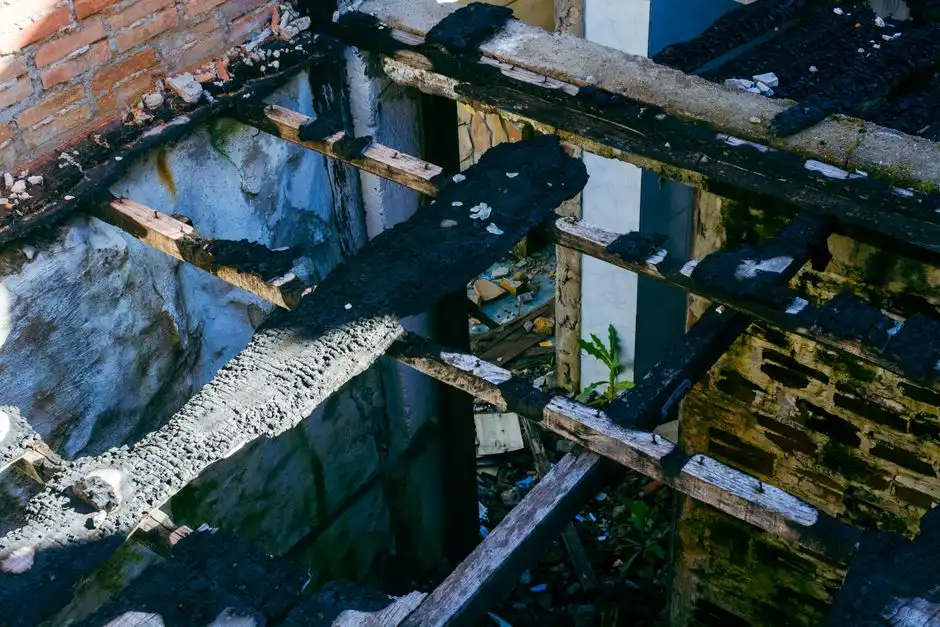
Ceiling damage gets worse every hour it sits. Here's what you get when you call us instead of waiting it out.
Same-day emergency response
We answer the phone 24/7 and roll trucks to Skyforest, Lake Arrowhead, and Crestline with water extraction units and Dri-Eaz air movers. Most emergency calls get a technician on site the same day, often within 60 to 90 minutes of your call.
Dry-out before rebuild
We don't patch drywall over wet framing. We dry the cavity to industry-standard moisture levels first, then repair. That's the difference between a ceiling that lasts and one that sags again in six months.
Insurance paperwork handled
We document the damage with photos, moisture readings, and a written scope your adjuster can use. Most ceiling water damage claims move faster when the contractor hands the insurer clean, organized evidence instead of a verbal estimate.
Code-correct repairs
Our crews hold California State Contractor License (C-36) and follow IICRC WRT drying standards. We replace insulation, sealant, and drywall to spec, so the repair passes inspection and holds up through another mountain winter.
Google ★★★★★4.9
They came out the same day for a ceiling leak and had drying equipment running within an hour. Four days later the ceiling was repaired and painted. Clear pricing and they handled the insurance photos.
Yelp ★★★★★4.8
Found a roof leak we didn't know about and fixed the ceiling damage without tearing up the whole room. Texture match is perfect. Would call them again.
BBB ★★★★★4.9
Professional from the first call. They explained the drying readings, showed us the moisture meter results, and didn't rebuild until everything was dry. No mold, no callbacks.
Google ★★★★★5.0
Toilet overflow sent water through our ceiling. They cleaned it up, dried it, and repaired the drywall in one job. Showed up on time and the price matched the quote.
We've been repairing ceiling water damage in the San Bernardino Mountains since 2022, and in four years we've handled hundreds of ceiling jobs from Twin Peaks to Crestline. Our technicians hold IICRC WRT and IICRC ASD certifications, and we follow the same drying standards on a small stain that we do on a full ceiling collapse. We know how mountain homes are built, how snowmelt finds its way in, and how to dry a ceiling without tearing the whole room apart.
Real answers to the questions we hear most often from local homeowners and property managers.
When a ceiling leak turns into a full-room flood, we handle the whole scope: extraction, drying, and rebuild. Skyforest customers call us for both because one crew already knows the layout.
View flood restoration servicesActive ceiling leaks need water out fast. We run emergency water removal alongside ceiling repair so the drywall above doesn't collapse while we work.
View emergency water removalWet ceiling cavities grow mold in 24 to 48 hours. If we find mold during a ceiling repair, we treat it with antimicrobial spray and remediate before closing the ceiling back up.
View mold remediation after water damageCeiling damage almost always starts with a hidden leak. We trace it, fix the source, and restore the ceiling and surrounding structure in one job.
View water leak restorationStorm-driven roof leaks soak ceilings fast in the mountains. Our emergency water cleanup crews extract, dry, and prep the ceiling for repair the same day.
View emergency water cleanupStanding water above a ceiling needs a water extraction unit, not a mop. We pull it out before it spreads into insulation and framing.
View water extractionCall (833) 321-7153 any time, day or night. We answer the phone around the clock and dispatch the nearest crew to your Skyforest address. Most calls see a truck within 60 minutes. You can also email info@waterdamagerestorationskyforest.com for non-emergency questions.
Phone
(833) 321-7153Address
951 Kuffel Canyon Rd, Skyforest, CA 92385, USA, Skyforest, California
Hours
Mon–Fri: 7AM – 7PM
Sat: 8AM – 4PM
Sun: Emergency Only
24/7 Emergency Available